
When you get a repatriation quote, it usually arrives as one number. That’s useful in one sense, because it tells you what you’ll pay, but it doesn’t really tell you what you’re paying for. And when you’re already dealing with the death of someone close to you, the last thing you want is to be second-guessing whether a cost is fair.
This is meant to pull back the curtain a little. We’ll go through what’s typically covered, what usually isn’t, and roughly how long the whole thing takes, since that question comes up almost as often as cost does.
If you haven’t already, it’s worth reading our main guide to repatriation costs first. This article goes into more depth on the quote itself.
What’s Usually Covered in the Quote?
Most repatriation quotes are built around the same core elements, even though the final number varies a lot from case to case. In general, you’re paying for:
- Collecting your loved one from where they died, whether that’s a hospital, hotel, care setting or private residence
- A coffin or casket that meets international transport standards, usually hermetically sealed
- Embalming, when it’s legally required for travel or requested by the family
- The paperwork, which is more involved than people expect: death certificates, embassy authorisation, and sometimes local police or coroner sign-off
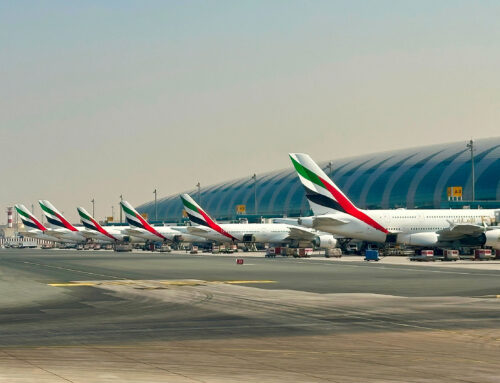
- Transport, almost always by air, arranged through the appropriate cargo or freight channels rather than as ordinary luggage
- A local funeral director or agent in the country of death, who handles everything on the ground before your loved one leaves
- Delivery once they land in the UK, either to a funeral director, a chapel of rest, or straight to a crematorium or cemetery
It sounds like a lot when it’s written out like this, and it is. That’s really why repatriation costs what it does. There’s rarely one supplier involved. It’s more like a chain of people in different countries, all coordinating around the same outcome.
What’s Usually Not Included?
This is the part people ask about less, but it matters just as much. A repatriation quote almost never includes what happens after your loved one is home.
- A funeral service, whether that’s burial or cremation
- A memorial, headstone or any form of permanent marker
- Flights or accommodation for family members travelling to be with the deceased or to accompany them home
- Personal belongings shipped separately from the coffin, which sometimes needs arranging as its own process
- Extended embalming or preservation beyond what’s needed for the journey itself, if a family wants an open viewing some weeks later, say
None of this is hidden from you deliberately. It’s just that a repatriation quote covers repatriation, not everything that follows. A UK funeral director usually picks up from there, and we’re happy to put you in touch with one if you don’t already have a preference.
How Long Does Repatriation Actually Take?
There’s no single answer here either, unfortunately, but most repatriations complete within one to three weeks from the point of death. Some are quicker. A few take longer, particularly when there’s an investigation involved or the country has slower administrative processes.
A few things tend to affect the timeline more than anything else: how quickly a death certificate is issued locally, whether a post-mortem or police report is required, how easily flights or cargo space can be booked, and whether the country involved works over weekends and public holidays (some don’t, and that alone can add days).
We’ll usually be able to give you a realistic estimate once we know the country and circumstances, rather than a generic range that may not apply to you.
We're Here to Help
Rowland Brothers International has been arranging international repatriations for over 45 years, working with local funeral agents in almost every country. Whatever stage you're at, whether you need to start the process today or you're just trying to understand what's involved, we're happy to talk it through.
Contact Rowland Brothers International for a no-obligation repatriation quote.